
Ferdinand | EducationGhana | June 12 | UCC Matriculates 358 Students into Special PGDE Programme at Kibi Presbyterian College of Education
The University of Cape Coast ( UCC) has matriculated 358 students into the Special Postgraduate Diploma in Education (SPGDE) programme at Kibi Presbyterian College of Education as part of efforts to professionalise non-professional teachers in Ghana.
UCC Officially Admits 358 Students into SPGDE Programme
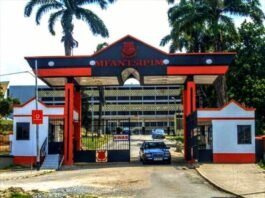
The University of Cape Coast (UCC) has matriculated 358 students into its Special Postgraduate Diploma in Education (SPGDE) programme at Kibi Presbyterian College of Education in the Eastern Region.
The matriculation ceremony formally inducted the students into the University community, granting them the rights, privileges, and responsibilities associated with postgraduate students of the University of Cape Coast.
The programme forms part of Ghana’s broader efforts to strengthen teacher professionalism and improve the quality of teaching and learning in schools across the country.
Programme Targets Professional Development of Graduate Teachers
The Special Postgraduate Diploma in Education programme is being implemented by the Centre for Teacher Professional Development (CTPD) of UCC in collaboration with the National Teaching Council (NTC) and with support from Transforming Teaching, Education and Learning (T-TEL).
The initiative seeks to equip graduate teachers who do not possess professional teaching qualifications with the pedagogical knowledge and practical classroom skills required to meet national teaching standards.
The programme is expected to enhance competencies in:
– Teaching methodologies
– Classroom management
– Learner assessment
– Curriculum implementation
– Educational leadership
– Professional ethics
– Inclusive education practices
Education experts believe the programme will contribute significantly to improving learning outcomes and strengthening professional standards within Ghana’s education system.
Matriculation Ceremony Marks Beginning of Academic Journey
The matriculation ceremony served as the official entry point for the students into the University of Cape Coast.
The College Registrar of the College of Education Studies, Ms. Millan Ahema Tawiah, administered the matriculation oath on behalf of the Registrar of the University.
The students pledged to abide by the rules, regulations, and academic standards of the University while pursuing their studies.
On behalf of the Acting Vice-Chancellor of UCC, the Provost of the College of Education Studies, Prof. Douglas Darko Agyei, formally matriculated the students and welcomed them into the University community.
Supporting National Teacher Professionalisation Agenda
The matriculation comes at a time when Ghana is intensifying efforts to professionalise teaching and ensure that all teachers meet the requirements of the National Teachers’ Standards (NTS).
The initiative aligns with recent efforts by the Ministry of Education, the National Teaching Council, the Ghana Education Service, and partner institutions to upgrade the qualifications of non-professional teachers currently serving in schools.
Through the SPGDE programme, participants will receive structured training while continuing their professional responsibilities, enabling them to acquire recognised teaching qualifications without interrupting their careers.
Collaboration Between UCC, NTC and T-TEL
The partnership between UCC, NTC, and T-TEL highlights the growing collaboration among key educational institutions to strengthen teacher education in Ghana.
The programme is designed to:
– Promote teacher professionalism
– Improve instructional quality
– Align teacher competencies with national standards
– Support teacher licensing requirements
– Enhance continuous professional development opportunities
Stakeholders believe that strengthening teacher preparation remains one of the most effective ways of improving educational outcomes nationwide.
Growing Demand for Professional Teacher Training
The enrolment of 358 students reflects the increasing demand among graduate teachers for professional certification and pedagogical training.
As Ghana continues to implement reforms within the education sector, programmes such as the SPGDE are expected to play a crucial role in building a highly qualified teaching workforce capable of meeting the demands of 21st-century education.
Education analysts have described the programme as a significant investment in teacher quality, which remains one of the most important determinants of student achievement.
What the SPGDE Means for Teachers
Upon successful completion of the programme, participants will be better positioned to:
– Meet professional teaching standards
– Enhance classroom effectiveness
– Improve learner outcomes
– Strengthen career progression opportunities
– Satisfy teacher licensing requirements
– Contribute more effectively to educational development
The programme therefore represents an important pathway for graduate teachers seeking to formalise their teaching credentials and advance professionally.
Related Articles
– NTC, GES, T-TEL and Five Universities Sign MoU to Professionalise Non-Professional Teachers– New GES Scheme of Service: What Teachers Need to Know


♥Copyright Notice: Content on This Website is Copyright Protected. No Part of this Content should be Reproduced without the Consent of the Author(s) or Recognition of the source of the Content.© 2020 – 2026 Ellis Multimedia: EducationGhana.org All Rights Reserved.♥