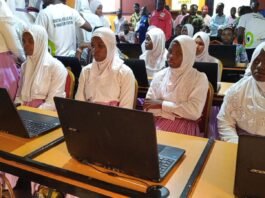

Explore study abroad opportunities for Ghanaian students, including scholarships, exchange programmes, eligibility requirements, and top destinations such as the UK, USA, Europe, and Canada.
Introduction
Study abroad opportunities continue to expand for Ghanaian students due to global partnerships, scholarship programmes, and international academic collaborations. These opportunities range from fully funded government scholarships to short-term exchange programmes and university partnerships.
Many Ghanaian students now pursue international education to access advanced research facilities, global networks, and specialised academic programmes.
This article explains the main pathways, requirements, and leading scholarship schemes available to Ghanaian students.
Major Study Abroad Pathways for Ghanaian Students
1. Government-Funded Scholarships
Government scholarships remain one of the most reliable routes for studying abroad.
Common programmes include:
- Commonwealth Scholarships
- Bilateral agreements between Ghana and partner countries
- China Scholarship Council (CSC) programmes
These scholarships typically cover tuition fees, accommodation, travel, and living allowances.
2. International Prestigious Scholarships
Several globally competitive scholarships are open to Ghanaian students.
Chevening Scholarship (United Kingdom)
The Chevening Scholarship is a fully funded UK government programme for postgraduate studies. It targets future leaders and includes:
- Full tuition coverage
- Monthly stipend
- Return airfare
- Networking opportunities
Fulbright Foreign Student Program (United States)
This programme supports graduate study and research in the United States. It emphasises academic excellence, leadership, and community impact.
Erasmus+ Programme (Europe)
The Erasmus+ programme supports student mobility across European universities. It includes:
- Semester exchanges
- Joint master’s degrees
- Short-term study visits
is one of the most widely used academic exchange frameworks for Ghanaian students.
3. University Exchange and Mobility Programmes
Many Ghanaian universities partner with international institutions for student exchange.
Examples include:
- Semester abroad programmes
- Summer schools
- Research internships
- Cultural exchange visits
For instance, the and other institutions regularly participate in exchange schemes with European and American universities.
Eligibility often requires:
- Minimum CGPA (usually 3.0 or above)
- Valid passport
- Recommendation from department
- Strong academic record
4. Self-Funded Study Abroad Pathway
Students who do not receive scholarships may still study abroad through self-funding.
This involves:
- Applying directly to foreign universities
- Meeting admission requirements
- Providing proof of financial capacity
- Obtaining student visas
Countries such as Germany, Poland, Turkey, and Malaysia are popular due to relatively lower tuition fees.
Popular Study Destinations for Ghanaian Students
United Kingdom
- High-quality postgraduate education
- Strong scholarship opportunities (Chevening, Commonwealth)
- Shorter master’s programmes (1 year)
United States
- Strong research institutions
- Wide range of scholarships
- Competitive admissions
Canada
- Post-study work opportunities
- High immigration pathways
- Strong support for international students
Europe (Germany, Netherlands, France, Sweden)
- Affordable or tuition-free options in some countries
- Strong Erasmus+ mobility programmes
- High research exposure
General Eligibility Requirements
While requirements vary, most study abroad programmes require:
- Strong academic record (usually Second Class Upper or better)
- English proficiency (IELTS/TOEFL in some cases)
- Valid passport
- Recommendation letters
- Statement of purpose
- Leadership or community engagement experience
Key Documents Required
- Academic transcripts
- Degree certificates (for postgraduate applicants)
- Curriculum Vitae (CV)
- Personal statement or motivation letter
- Passport copy
- Recommendation letters
- Standardised test results (if required)
Challenges Faced by Ghanaian Applicants
Despite opportunities, students often face challenges such as:
- High competition for scholarships
- Financial constraints
- Limited awareness of deadlines
- Complex visa procedures
- Incomplete application documentation
How to Improve Your Chances
Students can increase their chances of success by:
- Applying early before deadlines
- Maintaining strong academic performance
- Building leadership experience
- Writing strong personal statements
- Applying to multiple scholarship programmes
- Seeking guidance from academic mentors
Conclusion
Study abroad opportunities for Ghanaian students continue to grow through government support, international scholarships, and institutional partnerships. While competition is high, careful preparation and strategic applications significantly improve success rates.
Students who combine strong academic performance with leadership and clear career goals are more likely to secure fully funded opportunities abroad.
Related Articles
- Erasmus+ Programme Opportunities for African Students
- Top Scholarships for Ghanaian Students in 2026
- How to Write a Strong Scholarship Application Essay
- Fulbright Scholarship Guide for Ghanaian Students
- Study Abroad Requirements for International Students